
Clapham Common carpet cleaning guide for Victorian homes
Posted on 20/06/2026
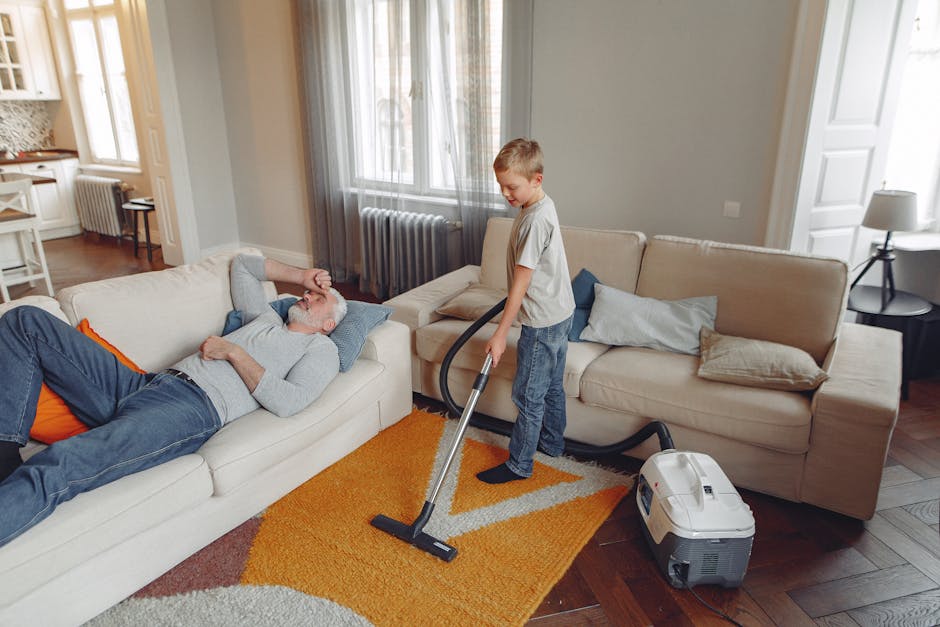
Victorian homes around Clapham Common have a certain charm: high ceilings, bay windows, original floorboards somewhere beneath the stairs, and carpets that have usually seen a lot of life. That last part matters. In a period property, carpet cleaning is rarely just about making fibres look fresh. It is about protecting older materials, dealing with draughty rooms, tackling dust that settles into deeper pile, and avoiding damage to fittings that are often older than the carpet itself. This Clapham Common carpet cleaning guide for Victorian homes walks you through what to do, what to avoid, and how to choose the right method for your rooms without turning a simple clean into a headache.
If you have ever looked at a hallway runner and thought, "It doesn't look terrible, but it definitely doesn't look right either," you are not alone. Victorian houses have a way of making carpets work harder than you expect. The good news? With the right approach, you can keep them clean, comfortable, and presentable without over-wetting, over-scrubbing, or risking that slightly tragic damp smell that lingers for days.
Why Clapham Common carpet cleaning guide for Victorian homes Matters
Victorian homes are lovely, but they are rarely straightforward. Floors may be uneven. Skirting boards can be delicate. Some rooms are colder than others, especially in winter. Carpets in these properties often pick up more dust, grit, and day-to-day wear than modern homes because older buildings tend to have more movement, more draughts, and more decorative nooks where dirt gathers. If you live near Clapham Common, you will probably recognise the pattern: boots by the door, prams in the hallway, pets racing through, and lots of foot traffic from busy family life or flat-sharing.
That is why carpet cleaning in a Victorian home needs a bit more thought. A one-size-fits-all method is risky. Too much moisture can seep into underlay or timber subfloors. Aggressive chemicals can dull natural fibres. Harsh brushing can flatten a traditional wool carpet faster than you would expect. On the flip side, gentle, well-planned cleaning can make a room feel brighter, warmer, and far more cared for.
There is also a practical side. If you are preparing a home for guests, looking after a rental property, or refreshing a family house after winter, a smart cleaning routine helps maintain the home's overall condition. It is one of those jobs that quietly supports everything else. You notice it most when it has not been done properly.
For homeowners who care about the rest of the property too, it often sits alongside other upkeep decisions such as domestic cleaning in Clapham, upholstery care, and occasional deep cleaning. A clean carpet does not exist in isolation, after all. It changes how the whole house feels.
How Clapham Common carpet cleaning guide for Victorian homes Works
The right carpet cleaning method depends on fibre type, age, pile condition, stains, and how much moisture the property can safely handle. In a Victorian home, the process normally starts with inspection, not cleaning. That may sound obvious, but it is the difference between a careful result and an expensive mistake.
First, identify what you are dealing with. Wool is common in older homes and needs gentler handling than synthetic carpet. Some rugs or runners are loosely fitted. Others may have old underlay or floorboards beneath them that should not get drenched. Once you know the layout, the cleaning plan can be matched to the room.
A typical professional clean may include dry soil removal, spot treatment, a controlled cleaning method, and careful drying. For delicate Victorian properties, moisture control is the critical part. A carpet that looks clean but stays damp for too long can develop odour, wick stains back to the surface, or affect nearby woodwork. Nobody wants that. Not in a house where the cornicing is already doing enough emotional heavy lifting.
For some homes, low-moisture or dry compound methods make sense. For others, hot water extraction can be appropriate if it is done with control and strong drying. The point is not to chase the "deepest" clean possible. It is to choose the clean that suits the room, the carpet, and the building.
Key Benefits and Practical Advantages
A good carpet clean in a Victorian home does more than improve appearance. It supports comfort, cleanliness, and the long-term condition of the property. Here are the main advantages that matter in real life.
- Better indoor freshness: dust, loose debris, and day-to-day grime are removed rather than redistributed.
- Longer carpet life: regular cleaning helps reduce fibre wear and keeps the pile from looking tired too soon.
- Improved room presentation: a freshly cleaned carpet can make a hallway, living room, or bedroom feel properly maintained.
- Reduced allergen build-up: while no cleaning method eliminates allergens completely, removing embedded dust can help the home feel less stuffy.
- Protection of period features: careful cleaning reduces the risk of moisture or cleaning residue affecting original floors, trims, or adjoining surfaces.
- Better results before events or tenancy changes: if you are hosting, selling, or moving out, carpets are one of the first things people notice. Quietly, they set the tone.
There is a less obvious benefit too: confidence. Once the carpets are sorted, the rest of the room often feels easier to manage. You notice the curtains, the skirting, the corners. The house feels less like a never-ending list and more like a home again.
For readers interested in a broader upkeep plan, the company's services overview is a useful place to understand how carpet cleaning fits alongside other cleaning tasks.
Who This Is For and When It Makes Sense
This guide is especially useful if you live in, own, let, or manage a Victorian property near Clapham Common. That includes family homes, converted flats in older terraces, and period rentals where carpets have to cope with everyday traffic and the occasional spilled tea. Realistically, that means most people in the area at some point.
You will benefit most from a thoughtful carpet cleaning plan if:
- your carpet is wool, blended fibre, or otherwise delicate;
- you have older underlay or uneven flooring beneath the carpet;
- the room is prone to condensation, cold spots, or slow drying;
- there are pets, children, or heavy hallway traffic;
- you are preparing for guests, a house sale, or the end of a tenancy;
- you have tried a home stain remover and things have somehow got worse. Happens more than people admit.
It also makes sense if you are trying to keep the home presentable without a constant cycle of full redecorating. In a period property, the carpet is often one of the largest soft surfaces in the room. If it looks tired, the whole space can feel tired. If it looks clean, everything else suddenly behaves itself a little better.
If you are also weighing up broader property maintenance or the realities of local living, you may find the company's Clapham living pros and cons article useful for context, especially if you are deciding how much upkeep a period home really asks of you.
Step-by-Step Guidance
Here is a practical approach that works well for most Victorian homes in Clapham Common. It is not flashy, just solid and sensible.
1. Inspect the carpet and the room
Start with the basics. Check for wear patches, loose edging, fraying, old stains, moth damage, and any sign of damp near external walls. Lift a corner if you can safely do so, because the underlay and floor beneath matter as much as the visible pile.
2. Identify the fibre
Wool feels different from synthetic carpet, and it behaves differently when cleaned. Wool can be resilient, but it dislikes rough treatment and excess heat. If you are not sure, treat it as delicate. That is the safer move.
3. Remove dry soil first
Vacuum slowly and thoroughly. A quick pass is not enough. In older homes, dust gathers at edges and along the same path every day. Go slowly around skirting boards, behind doors, and across hallways where grit builds up silently.
4. Test any spot treatment
Before using a cleaner on a stain, test it in a hidden area. Victorian homes do not forgive surprises. A patch that looks fine in daylight can look oddly bleached once it dries.
5. Choose the least risky method
For many period carpets, a controlled low-moisture method is a sensible starting point. If the carpet is heavily soiled and can handle more water, extraction may be appropriate. The real question is not which method is strongest. It is which method leaves the carpet clean and the room stable.
6. Dry properly
Airflow is essential. Open windows if weather and security allow, use fans where appropriate, and avoid walking on the carpet until it is dry. Damp carpets in a Victorian house can hang onto moisture longer than you might expect, especially in cooler rooms. That slight cool smell? Best avoided.
7. Recheck after drying
Once the carpet is dry, inspect it again in daylight. Some stains resurface as they dry. This is normal with certain spills, but it is better to catch it early than to pretend it is gone and hope for the best.
Expert Tips for Better Results
Small decisions make a big difference in older homes. Honestly, that is where most of the value lies.
- Clean before stains set: fresh spills are always easier to remove than old, dried-in marks.
- Use minimal water on original floors: if the carpet sits over timber boards, moisture control becomes doubly important.
- Prioritise hallways and landings: these areas usually show wear first, even if the living room looks fine.
- Rotate rugs or furniture where possible: it helps spread wear more evenly.
- Keep entry mats in good shape: a decent mat reduces the amount of grit dragged into the carpet every day.
- Deal with odour early: pet smells and damp smells are easier to stop before they settle into the fibres.
- Be conservative with stain removal: repeated scrubbing can damage the pile and make a small problem look bigger.
A useful local observation: in Clapham Common homes, the busiest carpets are often not the obvious ones. It is the narrow hallway, the bottom stair, the bedroom path from bed to wardrobe. Those areas take a quiet beating, day after day.
If you want a broader sense of the company's approach to careful, detail-led work, the page on a tradition of excellence gives a sense of the standards behind that kind of service.
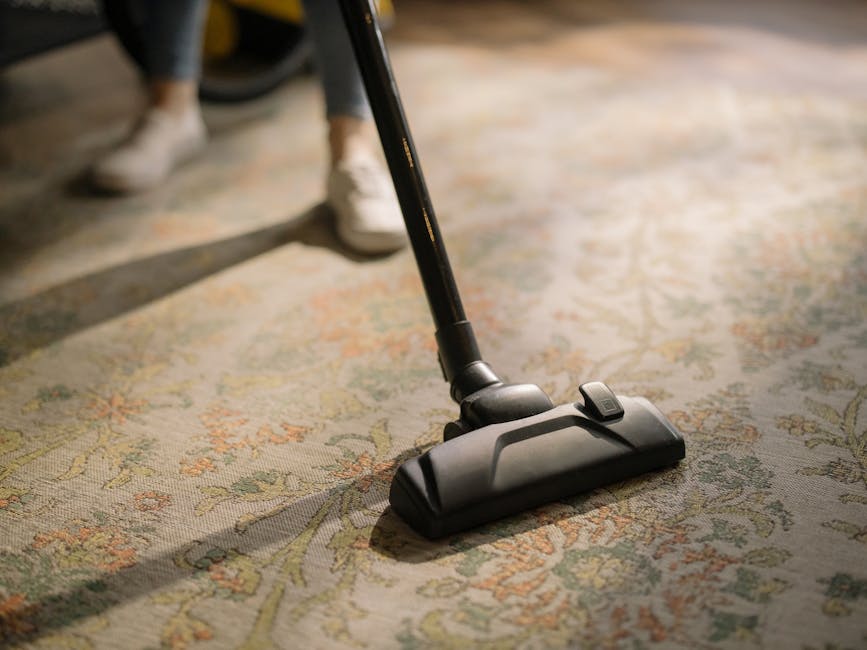
Common Mistakes to Avoid
Victorian homes reward patience. They do not reward heroics with a rented machine and too much optimism.
- Using too much water: this is the classic mistake. It can lead to slow drying, wicking, and potential damage below the carpet.
- Scrubbing stains aggressively: this can fray fibres or push the stain deeper.
- Ignoring the underlay: if the carpet looks fine on top but smells damp underneath, the issue is not solved.
- Cleaning only visible areas: edges, under furniture, and walkway paths often hold the most dirt.
- Mixing cleaning products: apart from being risky, it can create residue that attracts more dirt later.
- Not drying thoroughly: a carpet that is "mostly dry" is not dry enough in a period property.
One more thing, and it sounds obvious but people still do it: do not assume all stains need the same solution. Red wine, mud, candle wax, pet accidents, and tea spills are completely different beasts. Treat them like they are.
Tools, Resources and Recommendations
You do not need a cupboard full of gadgets, but a few good tools make life easier. The aim is practical maintenance, not collecting equipment for the sake of it.
- Quality vacuum cleaner: preferably one with adjustable height or settings suitable for pile depth.
- Microfibre cloths: useful for blotting spills without spreading them.
- Neutral carpet cleaner: gentler products are often safer for older carpets than strong all-purpose formulas.
- Soft brush: helpful for lifting pile gently, not for aggressive scrubbing.
- Fans or dehumidification support: useful when drying time matters, especially in cooler months.
- Protective mats: ideal for entrance points in busy homes.
If your home needs more than carpet care, there are also related services that can make maintenance simpler. For example, upholstery cleaning in Clapham can be a sensible companion service when sofas or armchairs are holding onto the same dust and everyday grime as the carpets.
And if you are comparing how different areas of the home are cleaned, the company's piece on keeping velvet curtains fresh and beautiful is a handy reminder that soft furnishings all have their own rules. Carpet, curtains, sofas. Same house, different care.
Law, Compliance, Standards, or Best Practice
For most homeowners, carpet cleaning is a practical maintenance task rather than a regulated activity. Still, there are good UK best practices that matter, especially if you hire someone to do the job in a lived-in property.
First, cleaners should work safely around your home, using suitable products and handling equipment in a way that reduces risk of slips, damage, or exposure to strong chemicals. In occupied Victorian homes, that means good communication before the work begins. You should know roughly how long drying will take, which rooms are most suitable to clean first, and whether furniture needs moving.
Second, if you are a tenant, landlord, or managing an end-of-tenancy move, the standard is not "make it look a bit better." It is usually "return it in a reasonable, clean condition" according to your agreement and the property's condition at the start. The exact expectations vary, so it helps to keep photos and records. Nothing dramatic. Just sensible paperwork.
Third, professional cleaners should be transparent about pricing, insurance, and service scope. Before booking, read the provider's terms and conditions, check the insurance and safety information, and review the payment and security details if you are making an advance payment. Those pages are not exciting, admittedly, but they are useful. A bit like checking the boiler before winter.
For service quality and complaints handling, it is also worth understanding the provider's complaints procedure. A good business should be clear about how to raise concerns if something needs correcting. That alone says a lot.
Options, Methods, or Comparison Table
Not every Victorian carpet needs the same treatment. This comparison helps you choose a sensible starting point.
| Method | Best for | Strengths | Watch-outs |
|---|---|---|---|
| Regular vacuuming and spot care | Light maintenance and weekly upkeep | Prevents soil build-up; inexpensive; easy to stay on top of | Will not remove deep grime or embedded odours |
| Low-moisture cleaning | Delicate carpets and period homes | Reduced drying time; lower risk to underlay and floors | May not suit heavy staining or very dirty carpets |
| Hot water extraction | Heavily soiled carpets that can tolerate moisture | Strong deep-clean effect when done correctly | Needs careful drying; not ideal for every Victorian property |
| Dry compound cleaning | Some wool carpets and moisture-sensitive rooms | Minimal moisture; useful where drying is difficult | Technique and product choice matter a lot |
In plain English: if the carpet is delicate, old, or sitting over vulnerable flooring, go conservative. If it is robust, well-fitted, and needs a deeper clean, more intensive methods may be acceptable. The right choice depends on the building, not just the stain.
For households balancing multiple cleaning needs, house cleaning in SW4 can be part of a wider upkeep plan that keeps older homes looking cared for without constant effort.
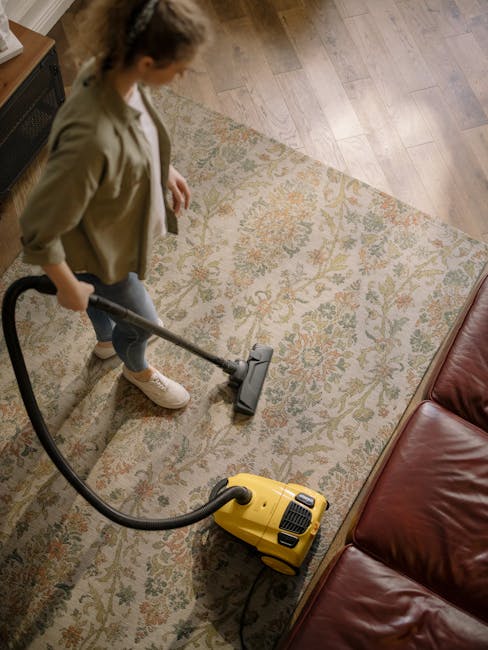
Case Study or Real-World Example
Picture a typical Victorian terrace near Clapham Common: two bedrooms upstairs, a hallway that seems to collect half the street, and a front room with a wool carpet that has lost a little brightness over the winter months. The owners had tried a spray cleaner on a tea mark near the sofa. It looked better at first. Then, once the carpet dried, the mark reappeared with a vengeance. Classic.
The cleaner started by inspecting the pile and checking how tightly the carpet was fitted. The hallway had a slightly raised edge and an old underlay, so the approach was adjusted. Dry soil was removed first. The tea stain was treated gently. Moisture was kept low. Fans were used after the clean, and the room was left to dry properly before furniture was moved back.
What changed? Not just the colour. The carpet looked flatter in a good way, if that makes sense, less grubby and less patchy. More importantly, there was no lingering dampness. The owners said the room felt warmer at the end of the day, which is often what people notice in older homes after a proper clean. Not dramatic. Just better.
That is usually the goal in a Victorian property. A clean carpet should look like it belongs there, not like it has been attacked by a machine and a prayer.
Practical Checklist
Use this quick checklist before and after carpet cleaning in a Victorian home:
- Confirm the carpet fibre if possible.
- Check for loose seams, worn edges, or old repairs.
- Vacuum thoroughly before any wet cleaning.
- Test spot treatments in a hidden area first.
- Keep water use controlled and appropriate to the room.
- Protect timber floors and skirting from overspray.
- Allow proper drying time with ventilation.
- Reinspect the carpet once fully dry.
- Move furniture back only when the carpet is ready.
- Keep a regular maintenance schedule, not just emergency cleans.
Practical takeaway: in Victorian homes, the best carpet cleaning is rarely the most aggressive one. It is the one that removes dirt, respects the age of the building, and dries cleanly without fuss.
Conclusion
Carpet cleaning in a Victorian home near Clapham Common is a careful balancing act. You want a fresher, brighter room, but you also want to protect older materials, avoid excess moisture, and keep the home comfortable to live in. Once you understand the carpet type, the room conditions, and the risks of overdoing it, the job becomes much more manageable.
So, whether you are refreshing a hallway before guests arrive, maintaining a family home, or preparing a period property for sale or letting, the safest approach is usually the smartest one. Slow down a little. Inspect first. Choose gently. Dry properly. It really does make a difference.
If you are ready to move from planning to action, take a look at the available carpet cleaning in SW4 options and the wider about us information to understand the team and approach behind the service.
Get a free quote today and see how much you can save.
And if you are living in one of those beautiful old homes, take a moment after the clean to stand in the doorway and enjoy the room. Sometimes that quiet, finished feeling is the whole point.


