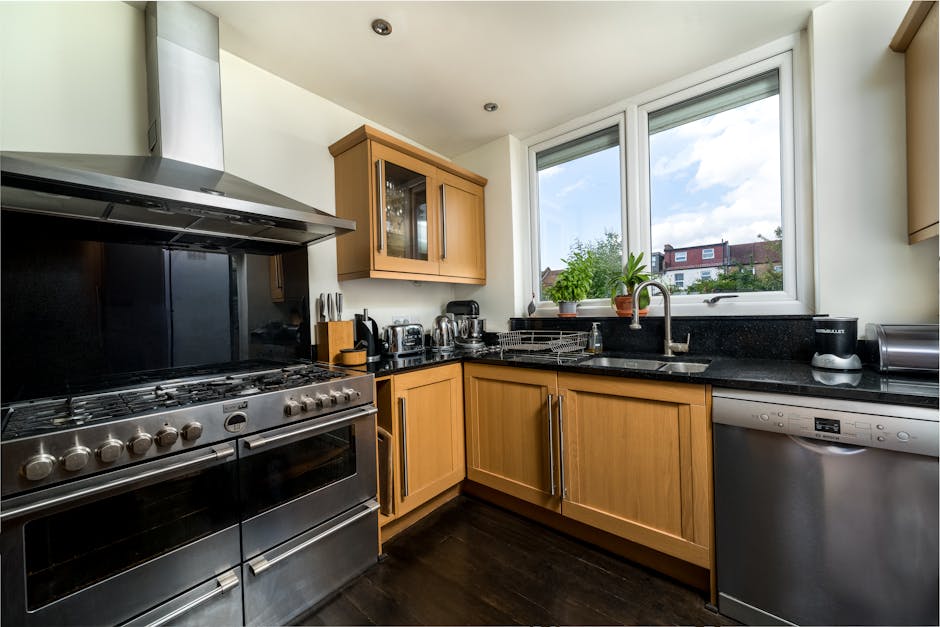
End of tenancy cleaning Clapham Old Town flat checklist
Moving out of a flat in Clapham Old Town can feel oddly intense. One minute you are packing chargers, books and half-used bathroom products; the next you are staring at skirting boards, oven trays and a bath seal wondering how on earth it all got this dirty. That is exactly where an End of tenancy cleaning Clapham Old Town flat checklist earns its keep. It turns a stressful moving week into a clear, room-by-room plan, so you know what actually needs doing before keys are handed back.
Whether you are a tenant trying to protect a deposit, a landlord preparing for the next occupant, or someone juggling a move on a tight schedule, this guide gives you a practical, realistic checklist that works for typical London flats. It covers the job properly: what end of tenancy cleaning is, how it differs from a normal tidy-up, what to prioritise, and which mistakes tend to cause arguments later. And yes, we will keep it grounded in real life, because no one needs a glossy checklist that falls apart the moment the kettle is unplugged.
Why End of tenancy cleaning Clapham Old Town flat checklist Matters
End of tenancy cleaning is not just a bigger version of weekly cleaning. It is a reset. The goal is to leave a flat in a condition that is clean, fresh and ready for inspection, while taking into account normal wear and tear. In practice, that means areas people usually ignore during day-to-day life suddenly matter a lot: behind appliances, inside cupboards, around taps, inside the oven, on doors, light switches and the edges of carpets.
In Clapham Old Town, many flats are lived in hard and moved through quickly. That is normal. But move-out inspections are not sentimental, let's face it. If an area looks greasy, dusty or stained, it can create friction even when the rest of the property is fine. A good checklist reduces that risk by making the work visible and manageable.
The bigger reason it matters is clarity. Tenants want confidence. Landlords and agents want a consistent standard. Cleaners want a plan that avoids missed spots and repeated call-backs. A checklist brings those interests together, which is why it is so useful before a handover.
For local renters, especially in apartments with compact kitchens, shared hallways or lots of glass, the details matter. A quick wipe is rarely enough. Oven grease, limescale, hair in bathroom corners and dust on top of wardrobes can all become small but annoying issues if they are left behind.
How End of tenancy cleaning Clapham Old Town flat checklist Works
The checklist works best as a sequence rather than a random list. First, you inspect the flat room by room. Then you identify what needs basic cleaning, what needs deep cleaning, and what might need specialist attention such as carpet cleaning, oven cleaning or window cleaning. After that, you clean from the top down and from the cleanest areas to the dirtiest. That way, dust and crumbs do not end up undoing your own work.
A simple way to think about it: inspection, prep, deep clean, detail clean, final walk-through. Nothing glamorous, but very effective. If you are hiring help, a professional team will often follow a similar structure, sometimes bundling tasks into a broader service like end of tenancy cleaning or a broader deep cleaning appointment.
The checklist also helps you make decisions. For example, if the flat is mostly fine but the kitchen is heavy with cooking residue, you may only need targeted help. If there are carpets, upholstery marks or pet smells, a separate specialist service may be the smarter route. That is one of the reasons a checklist saves money as well as time: you stop paying for guesswork.
Most people find the process easier if they break it into zones:
- Kitchen
- Bathroom
- Bedrooms
- Living room
- Hallways and entrance
- Windows, fixtures and fittings
- Floors, soft furnishings and any remaining detail work
That sounds basic, but basic is good when you are tired and moving boxes before noon.
Key Benefits and Practical Advantages
The most obvious benefit is a better chance of passing the final inspection without back-and-forth. But there are several other advantages worth spelling out.
- Less stress: A checklist gives you structure when everything else is in boxes.
- Better time planning: You can see which jobs are quick wins and which need more time.
- Cleaner handover: A flat that feels fresh and cared for creates a much smoother impression.
- Fewer missed details: Cupboard tops, extractor fans and grout lines are easy to forget.
- Smarter spending: You can decide whether to do the job yourself, hire help, or combine services.
There is also a psychological benefit people underestimate. Once you tick off the final cleaning task, moving feels more like progress and less like damage control. That matters. A lot. Anyone who has cleaned around a dismantled wardrobe at 8pm knows the feeling.
In a small flat, especially, the difference between "clean enough" and "properly cleaned" can be surprisingly visible. A shiny tap, dust-free skirting and a fresh-smelling kitchen can make the whole place feel looked after, even if the furnishings are modest.
Who This Is For and When It Makes Sense
This checklist is for tenants, landlords, letting agents, flat-sharers, and anyone moving out of a rented property in or around Clapham Old Town. It is particularly useful if you have a tight turnaround, a lot of built-in furniture, or a flat that has picked up everyday grime in the usual places.
It also makes sense if you are not hiring a full-service clean but want to cover the essentials yourself. Some people are happy to manage the basics and then bring in specialists for the awkward bits, such as carpets, upholstery or stubborn stains. Others prefer a single professional visit to tie everything together. There is no one perfect route, just the one that fits your flat and your schedule.
For example, if you have a one-bedroom flat with laminate flooring, a compact oven and a few carpeted areas, a hybrid approach can be practical: do the surface clean yourself, then book targeted help for heavy-duty jobs. If the property has more wear, pet issues or a lot of fabric surfaces, a more comprehensive service may be more efficient. A sensible next step is often to check pricing and quotes before deciding how much to tackle in-house.
If you are someone who likes to do things properly first time, this section is basically for you. If not, well, it is also for future-you, the version of you who does not want to spend Sunday morning scrubbing the inside of a fridge with a teaspoon and regret.
Step-by-Step Guidance
Here is the practical version. Follow this sequence and you will avoid the most common oversights.
1. Start with a full walkthrough
Before cleaning anything, walk through the flat slowly and make notes. Open cupboards. Check under sinks. Look at window ledges, corners, radiators, extractor fans and the inside of appliances. The aim is not to judge the flat. It is to identify the actual workload.
2. Remove rubbish and personal items first
Cleaning around clutter is exhausting and inefficient. Bag rubbish, recycle what you can, clear out toiletries, food, old cleaning products and forgotten bits from drawers. If the flat contains large unwanted items, house clearance support can be useful in some move-out situations, especially when storage has become a bit of a black hole.
3. Tackle the kitchen in layers
Start high and work down. Wipe the tops of cabinets, light fittings, extractor hoods and splashbacks. Then clean cupboard fronts, handles, switches, the sink, taps and tiles. Finish with the oven, hob, fridge and floor. The oven tends to take longer than people expect. It always does. If the tenancy agreement or inspection standard is strict, a dedicated oven cleaning service can save a lot of time.
4. Clean the bathroom with detail in mind
Bathrooms show neglect quickly. Descale taps, shower screens and tiles. Clean around the toilet base, inside the bowl, behind the cistern and along seals. Wipe mirrors and shine the chrome if present. Check for mould spots, especially in corners and on sealant. A bathroom can look tidy at a glance and still fail an inspection because of tiny details.
5. Move through bedrooms and living spaces
Dust everything reachable. Skirting boards, shelves, wardrobe interiors, doors, frames and fixtures all matter. If the flat has carpets, check for visible marks and traffic wear. If there are sofas, cushions or curtains left in place, they may need attention too. Specialist support such as sofa cleaning or curtain cleaning can make a visible difference in furnished flats.
6. Finish with floors and final details
Vacuum thoroughly, then mop hard floors if appropriate. Pay attention to corners, under furniture and along edges. Windows, mirrors and glass doors should be streak-free. Check light switches, sockets, banisters and the area around the front door. This final stage is where the flat starts to feel genuinely ready, not just "tidied".
7. Do one last inspection in daylight if possible
Natural light shows dust, smears and missed marks more honestly than indoor lighting. Mid-morning is often best if you can manage it. Walk room by room again and ask a simple question: would I be happy if someone handed this flat to me now? If the answer is not quite, there is usually one more visible job worth doing.
Expert Tips for Better Results
The best move-out cleans are rarely about brute force. They are about sequence, product choice and patience. A few small decisions can save hours.
- Use the right cloth for the right surface. Microfibre works well for most general wiping because it lifts dust without smearing it everywhere.
- Let products do the work. Spraying and wiping immediately often means you are just moving grime around.
- Test delicate surfaces first. Painted wood, laminate and older sealants can mark more easily than expected.
- Work from top to bottom. Dust falls. That is not a theory, sadly, it is life.
- Keep one final bag for odds and ends. Batteries, keys, instructions, spare bulbs. Things always turn up in the last five minutes.
If the flat has allergy-sensitive occupants coming next or if the property has been vacant for a while, a deeper hygienic clean can be useful. In that case, a broader option such as one-off cleaning may fit better than a lighter touch. For homes with pets, smells and embedded fur, consider pet stain odour removal rather than hoping a standard spray will sort it. It usually will not.
And a small but important one: keep cleaning materials away from sealed bags of belongings. It sounds obvious until a bottle leaks onto paperwork. Not ideal, that.
Common Mistakes to Avoid
Most end of tenancy problems come from a handful of predictable errors. Avoid these and you are already ahead of the pack.
- Leaving the kitchen for last: This is how people end up too tired to do the hard parts properly.
- Forgetting hidden spaces: Tops of cupboards, behind toilets and under appliances are classic misses.
- Confusing clean with empty: A flat can be vacant and still be dusty, greasy or stained.
- Ignoring soft furnishings: Upholstery, rugs and curtains trap odours and dust more than people realise.
- Using too much water: Especially on wood, laminate and some carpet edges.
- Not allowing drying time: Damp floors, misted glass and closed cupboards can make a clean flat feel unfinished.
- Assuming inspection standards are flexible: Some are, some are not. Better not to gamble.
One recurring issue in flats is mismatch between expectation and reality. A tenant may think "I wiped everything down", while an agent is looking at grease inside the oven fan cover or dust on top of wardrobes. That gap is why a checklist matters so much. It bridges the interpretation problem.
Another common mistake is leaving specialist jobs until the end. If there is a stained carpet or marked upholstery, book the relevant service early. Steam carpet cleaning can help with many common floor-level issues, while upholstery cleaning can improve the overall presentation of a furnished flat quite noticeably.
Tools, Resources and Recommendations
You do not need a cupboard full of products to do a decent move-out clean. A practical set of tools is usually enough:
- Microfibre cloths
- Non-scratch sponges
- Vacuum cleaner with attachments
- Mop and bucket
- Scraper or plastic blade for stubborn residue
- Spray bottles for diluted cleaning solutions
- Rubber gloves
- Old toothbrush or detail brush for grout and corners
- Bin bags and recycling bags
For flats with hard surfaces, hard floor cleaning can be a sensible add-on if scuffs, dull patches or built-up dirt have collected over time. If windows or balcony doors are streaky and obvious from outside, window cleaning is one of those small jobs that changes the whole impression of the place.
There are also times when a more rounded service makes sense. If the flat has general accumulated dust, marks, and end-of-tenancy residue throughout, a move-out cleaning service can be a simpler choice than piecing together separate tasks. If you are preparing to enter a new place too, move-in cleaning is worth considering on the other side of the move. Fresh start, fewer surprises.
Law, Compliance, Standards, or Best Practice
End of tenancy cleaning in the UK is usually governed by the tenancy agreement, inventory condition, and the general expectation that the property is returned in a clean and reasonably tidy state, allowing for fair wear and tear. The important part is not to overstate what is required. A tenant is generally not expected to make a flat look brand new if normal use has left minor wear. But they are usually expected to clean it properly and return it in broadly the same condition of cleanliness as at move-in, aside from ordinary ageing.
In practical terms, this means the inventory matters a lot. If you have move-in photographs, check them against the move-out state. If there were marks already present, it is useful to distinguish those from new cleaning issues. That kind of record-keeping can prevent awkward conversations later.
Best practice also means being careful with safety. Cleaning ovens, handling chemicals, moving appliances and using ladders all carry small risks. Follow product instructions, keep rooms ventilated and do not mix chemicals. If in doubt, use professional support and ask questions first. Reputable providers should be able to explain their process clearly and point you to their health and safety policy and insurance and safety information if needed.
Trust also matters. If you are booking a service, it helps to know who you are dealing with, what is included and how any issues are handled. Reading the company's about us, terms and conditions, payment and security page and complaints procedure can give useful reassurance before you commit. That is just good sense, honestly.
Options, Methods, or Comparison Table
There is more than one way to tackle a move-out clean. The right option depends on the flat, the time you have, and how strict the inspection is likely to be.
| Approach | Best for | Strengths | Limitations |
|---|---|---|---|
| DIY checklist clean | Smaller flats, lighter use, low budget | Low cost, flexible timing, full control | Time-consuming, easy to miss details, tiring after packing |
| Targeted specialist cleaning | Ovens, carpets, upholstery, stains, windows | Focuses on problem areas, improves inspection results | Needs coordination, not a full solution on its own |
| Full professional end of tenancy clean | Busy moves, furnished flats, stricter handovers | Consistent standard, less stress, saves time | Higher cost than DIY, needs booking in advance |
In many Clapham Old Town flats, the best answer is a blend rather than an either-or decision. Maybe you handle the clutter, cupboards and surface dust, while a cleaner takes on the deep kitchen work and carpets. That kind of split is very common, and usually sensible.
If the property has received recent renovation work or left-over dust from decorating, a specialist after builders cleaning service may be more suitable than a standard end of tenancy visit. The same logic applies to short-let or guest-ready properties where turnaround speed is the priority; in those cases, airbnb cleaning can be a better fit.
Case Study or Real-World Example
Here is a realistic example. A tenant in a two-bedroom Clapham Old Town flat was moving out after three years. The place was in decent condition overall, but the kitchen had accumulated baked-on grease, the bathroom glass had limescale marks, and the living room carpet showed traffic paths near the sofa. Nothing dramatic. Just the usual slow build-up of everyday living.
Instead of trying to do everything in one exhausting session, the tenant split the job over two evenings and one final morning. First came decluttering and binning leftovers. Then the kitchen. Then bathrooms and surfaces. A specialist carpet treatment was added for the main living space, because the marks were visible and likely to be noticed. By the final walk-through, the flat looked cared for rather than rushed.
The useful lesson here is simple: the clean did not happen because the person worked harder than everyone else. It happened because they worked in the right order and used the checklist to decide where specialist help was worth it. That is the sort of real-world planning that saves energy.
Another small detail: the tenant took quick photos after cleaning each room. Not glamorous, but useful. If there is any query later, you have a record of what the flat looked like at handover. In move-out situations, that peace of mind can be surprisingly valuable.
Practical Checklist
Use this as your final walk-through checklist before returning the keys. Tick each item room by room.
- Entrance and hallway
- Remove all personal items
- Wipe doors, handles and switches
- Vacuum or sweep floors and edges
- Check skirting boards and corners
- Kitchen
- Clean inside and outside all cupboards
- Degrease hob, extractor and splashback
- Clean oven, trays and racks
- Wipe fridge, freezer and seals
- Scrub sink, taps and drain area
- Clean worktops, appliance fronts and handles
- Mop floor and check under appliances if accessible
- Bathroom
- Descale shower, bath, taps and screens
- Clean toilet thoroughly, including base and behind
- Wipe mirrors, tiles and shelves
- Remove mould or marks where safely possible
- Polish fixtures and clear plug holes
- Living room and bedrooms
- Dust all surfaces, frames and shelves
- Clean inside wardrobes and drawers
- Vacuum carpets or clean hard floors
- Treat marks on walls, doors and furniture where appropriate
- Check under beds, sofas and radiators
- Soft furnishings and fabrics
- Assess rugs, curtains and sofas for marks or odours
- Book specialist cleaning if stains remain
- Air out the flat where possible
- Final check
- Empty all bins
- Replace any missing light bulbs if required by agreement
- Take photos of each room
- Confirm keys, remotes and access items are ready to return
If you want help with the trickier fabric surfaces, you may also want to look at rug cleaning, mattress cleaning or stain removal depending on what the flat contains. These are the jobs that often decide whether a room feels properly finished.
Get a free quote today and see how much you can save.
Conclusion
A solid End of tenancy cleaning Clapham Old Town flat checklist is less about perfection and more about control. It helps you cover the right rooms, notice the awkward details, and decide where to bring in extra support. That alone can make a move feel calmer and far more manageable.
If you are leaving a flat in Clapham Old Town, the smartest approach is usually to clean in stages, be honest about the condition of the property, and focus on the areas people actually inspect: kitchen grease, bathroom residue, floors, windows, and any carpets or upholstery that show use. Do that well and the handover becomes much simpler. No drama, no endless back-and-forth, just a clean finish and a proper sense of closure.
And honestly, that last part matters. A move-out can be chaotic, but a well-cleaned flat gives you something steady at the end of it. A neat handover. A deep breath. On to the next place.
Frequently Asked Questions
What is included in an end of tenancy cleaning checklist for a flat?
It usually includes the kitchen, bathroom, living spaces, bedrooms, floors, windows, fixtures, fittings and any specialist areas such as carpets, ovens or upholstery. The exact scope depends on the tenancy agreement and the condition of the flat.
How detailed should an end of tenancy clean be in Clapham Old Town?
Detailed enough that the flat is left in a clean, tidy and inspection-ready condition. In practice, that means looking beyond visible surfaces and cleaning behind, under and inside the areas people often forget.
Do I need professional help or can I do it myself?
You can absolutely do it yourself if the flat is manageable and you have time. Professional help makes sense if you are short on time, the property is furnished, or you have difficult items like stained carpets, a greasy oven or odorous upholstery.
How do I know if the carpets need specialist cleaning?
If there are visible marks, flat traffic paths, lingering smells or a generally tired look, specialist carpet care is worth considering. A quick vacuum is rarely enough for tenancy-level expectations.
What is the most commonly missed area during move-out cleaning?
Top-of-cabinet dust, oven interiors, extractor fans, skirting boards, behind toilets and inside cupboards. Those are the classic problem spots, and they are often the reason an otherwise clean flat still gets flagged.
Can a one-off clean cover end of tenancy requirements?
Sometimes, yes, if the flat is already in fairly good shape. A one-off cleaning service can be useful, but if the property needs a more focused move-out finish, a dedicated end of tenancy clean is usually the better match.
Should I clean windows inside and out before moving out?
At minimum, the inside surfaces should be clean and streak-free. Whether the outside needs attention depends on access, the property type and what the agreement or inspection standard expects. For many flats, the inside and accessible glass are the main concern.
What if the flat has pet smells or pet stains?
Then you should deal with those directly rather than assuming a general clean will remove them. Pet-related odours and stains often need targeted treatment, especially in fabric items, carpets and soft furnishings.
Is there a difference between move-out cleaning and end of tenancy cleaning?
In everyday use, the terms are often used interchangeably. Some companies may treat move-out cleaning as a broader practical clean, while end of tenancy cleaning is more tied to tenancy handover expectations. The actual checklist can overlap heavily.
How far in advance should I book a cleaner?
As early as you can, especially during busy moving periods. Leaving it until the final day can make the whole thing feel far more rushed than it needs to be. A little planning goes a long way.
What should I do before the cleaner arrives?
Remove personal items, empty cupboards if needed, secure valuables, and make sure access arrangements are clear. If appliances need to be left accessible, try not to bury them under boxes. It sounds obvious, but it happens.
Can a cleaning service help with more than just the flat interior?
Depending on what is needed, some properties may also benefit from related services such as window cleaning, hard floor cleaning or upholstery cleaning. The best choice depends on the surfaces and the inspection priorities.
What should I do if I disagree with the final inspection outcome?
Keep calm, review the inventory, and compare it with your own photos and notes. Clear records make these conversations much easier. If you used a service provider, it also helps to understand their terms and complaints process before booking, just in case.